

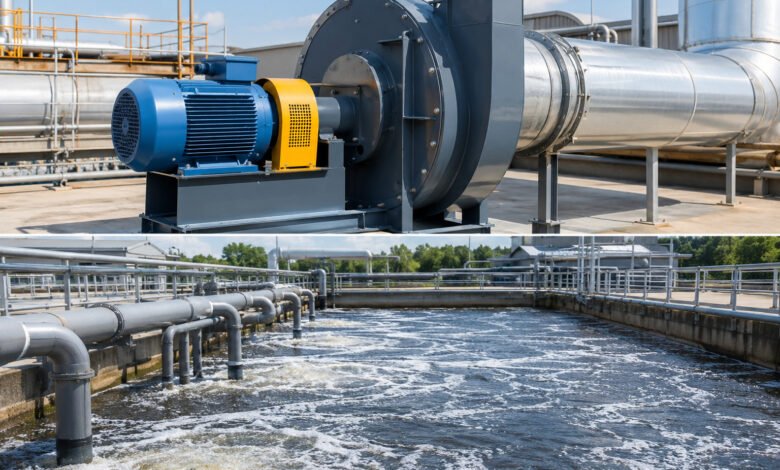
A Blowers Website can help readers understand air-moving equipment, its working methods, common types, and practical uses. Blowers are used in many industries where controlled airflow or gas movement is needed. They support processes such as wastewater treatment, ventilation, pneumatic conveying, cooling, drying, and material handling. Understanding their applications and benefits makes it easier to choose the right equipment for a specific job.
What Is a Blowers Website and What Does It Cover?
A Blowers Website usually provides information about different blower systems, their specifications, applications, and operating methods. It may explain industrial blowers, centrifugal blowers, positive displacement blowers, side-channel blowers, and other air-moving technologies.
These resources can also help users compare airflow, pressure, power consumption, maintenance needs, and operating conditions. A good website should explain technical information in a simple way so businesses and general readers can understand which type of blower may suit their needs.
How Do Air Blowers Work?
Air blowers work by increasing the energy of air or gas and moving it from one location to another. Depending on the design, a blower may use rotating lobes, screws, or an impeller to create airflow and pressure.
Positive displacement blowers trap a specific amount of air and move it toward the outlet. Centrifugal designs work differently by using an impeller to increase air velocity and then convert that energy into pressure. The working principle affects the blower’s performance and suitable applications.
What Are the Main Types of Blowers?
There are several blower technologies, and each one is designed for different operating requirements. Rotary lobe blowers are widely used for applications that need steady airflow. Screw blowers can provide efficient air delivery, while centrifugal blowers are useful for applications requiring suitable airflow and pressure characteristics.
Other options include side-channel, regenerative, multistage centrifugal, and high-speed blowers. Selecting the correct type depends on factors such as required airflow, pressure, operating hours, temperature, installation conditions, and air-quality requirements.
Where Are Blowers Used in Industrial Applications?
Industrial blowers are used in many processes where air or gas must be moved continuously and reliably. Common applications include pneumatic conveying, ventilation, dust collection, cooling, drying, combustion support, and process-air systems.
Manufacturing plants can use blowers to move materials through pipelines or remove unwanted heat and fumes. Food-processing facilities may require clean air for specific processes, while cement plants can use blower systems for conveying and aeration. The application determines the required airflow and pressure.
How Are Blowers Used in Wastewater Treatment?
Wastewater treatment is one of the most important blower applications. During biological treatment, microorganisms need oxygen to break down organic material. Blowers supply air to aeration systems, often through diffusers placed below the water surface.
Modern treatment plants may experience changing air demand throughout the day. Variable-speed blower systems can adjust their output according to process requirements. Correct sizing is important because insufficient airflow can affect treatment performance, while excessive airflow may increase energy costs.
How Do Blowers Support Ventilation, Cooling, and Drying?
Blowers can move large volumes of air through buildings, industrial areas, and equipment. In ventilation systems, they help remove fumes, dust, heat, and unwanted air while bringing fresh air into working areas.
Cooling and drying are also common uses. Controlled airflow can remove heat from machinery and equipment or help dry products during manufacturing. In these situations, blower selection should consider airflow volume, pressure, temperature, operating time, and the environment where the equipment will work.
What Are the Benefits of Using Modern Blower Systems?
A major benefit of a Blowers Website is that it can help users understand how different technologies deliver practical value. The right blower can provide consistent airflow, reliable operation, process control, and improved workplace conditions.
Modern systems can also support better energy management. Features such as variable-speed control allow equipment to adjust output when demand changes. This can help reduce unnecessary energy use compared with running a blower continuously at a higher output than the process requires.
How Can Blower Technology Improve Energy Efficiency?
Energy consumption is an important part of blower operation because industrial equipment may run for many hours each day. Choosing an oversized system can result in unnecessary energy use, while an undersized system may struggle to meet process requirements.
Energy efficiency can improve through proper sizing, suitable blower technology, variable-speed control, and regular maintenance. Businesses should consider total operating costs rather than only the initial purchase price. Electricity use, service requirements, downtime, and equipment life can all affect the long-term value of a blower.
Read More: epleys.com
What Should You Consider When Choosing a Blower?
Before choosing equipment, users should identify the actual requirements of their process. Important specifications include airflow, pressure, operating hours, air quality, temperature, power supply, noise level, available space, and maintenance needs.
The application should always guide the selection. A blower for wastewater aeration may have different requirements from one used for pneumatic conveying or industrial ventilation. Comparing technical specifications with real operating conditions can help avoid poor performance and unnecessary costs.
How Can Proper Maintenance Improve Blower Performance?
Regular maintenance can help keep blower systems working efficiently and reliably. The exact service routine depends on the blower design and manufacturer’s recommendations. Operators should monitor operating conditions and inspect important components at suitable intervals.
A Blowers Website can also be useful for learning about maintenance requirements, operating guidelines, and equipment specifications. Checking filters, connections, temperatures, vibration, and other relevant components can help identify problems early. Preventive maintenance can reduce unexpected downtime and support a longer service life.
FAQs
What is a blower used for?
A blower moves air or gas for applications such as ventilation, aeration, cooling, drying, and pneumatic conveying.
What are the main types of blowers?
Common types include rotary lobe, screw, centrifugal, side-channel, and regenerative blowers.
Why are blowers used in wastewater treatment?
Blowers supply oxygen to aeration systems, supporting microorganisms involved in biological wastewater treatment.
How can blower systems save energy?
Proper sizing, efficient technology, variable-speed control, and regular maintenance can help reduce unnecessary energy consumption.
How do I choose the right blower?
Consider the required airflow, pressure, operating conditions, air quality, power use, installation space, and maintenance requirements before selecting a model.